
3 Science-Backed Ways to Train for Longevity and Track Your Progress
The proven roadmap to lasting strength, health, and performance tracking.

3 Science-Backed Ways to Train for Longevity and Track Your Progress
1. Muscle Growth in Older Adults: Why Some Get More Gains
A new study in PubMed showed that older adults who responded best to resistance training (with over 10% muscle growth) had unique muscle metabolic signatures, including higher levels of tryptophan-indole and branched-chain amino acids, pointing to better energy and amino acid metabolism—possibly influenced by gut health and anti-inflammatory pathways.
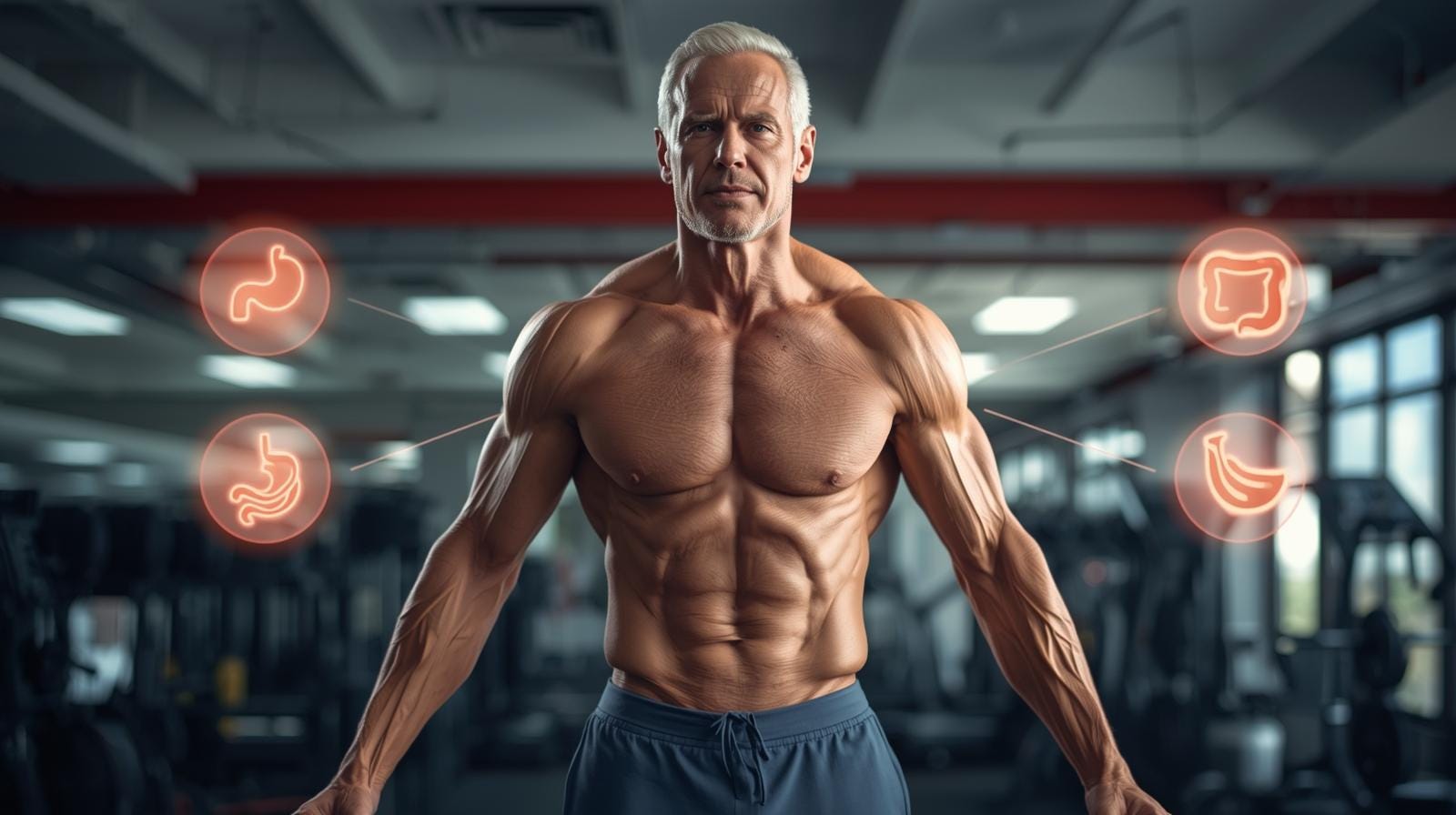
Not everyone builds muscle at the same rate, even with the same training. Your gut health and how your body processes nutrients might play a big role in your results.
If your muscle gains stall, think beyond your workout—diet, gut health, and inflammation all matter for progress as we age.
🔗 https://www.ncbi.nlm.nih.gov/pubmed/41491333
2. The Longevity Secrets of Centenarians
A review in PubMed found that centenarians around the world share key habits: plant-based diets, regular activity, and stress management practices (like meditation). These routines deliver antioxidant, anti-inflammatory, and muscle-preserving benefits.
The path to living longer and better isn’t a pill, it’s a collection of daily choices rooted in nutrition, movement, and mental health.

It’s never too late to take a multifactorial approach. Eat plants, move more, and mind your mental well-being, the centenarians’ toolkit.
🔗 https://www.ncbi.nlm.nih.gov/pubmed/41489809
3. A Simple Fitness Self-Check for Diabetics
A new cross-sectional study in PubMed validates the International Fitness Scale (IFIS), a self-reported fitness tool, as a practical alternative to time-consuming fitness tests for adults with type 2 diabetes. IFIS scores—even more than the standard 6-minute walk—were linked with key body composition and cardiometabolic health markers.
You don’t always need a gym or clinic to track your fitness. A simple questionnaire can help you spot trends that affect your healthspan.
Self-report fitness tools like IFIS empower you to take charge, track regularly, act early, and optimize your health outcomes.
🔗 https://www.ncbi.nlm.nih.gov/pubmed/41494022
It is encouraging to see that a simple self check can reflect real health trends and help people stay on top of their progress. Great post as always!