
3 Ways to Level Up Your Training, Recovery, and Motivation for Lifelong Fitness
Proven strategies to train smarter, recover faster, and stay motivated for years to come.

1. Resistance Training Plus a Little HIIT—Big Results for Aging Adults
A new study in PubMed showed that 12 weeks of resistance training paired with minimal HIIT increased muscle mass, strength, and aerobic fitness in adults aged 55–70. The routine improved cardiovascular markers, enhanced fat utilization, and helped control exercise-induced inflammation—even with just one HIIT session a week. Adding polyphenol supplements lowered cholesterol but didn’t further boost training results.
You don’t need endless cardio or complicated routines. Consistent, supervised resistance workouts with a dash of HIIT deliver powerful benefits across strength, metabolism, and recovery.

Prioritize resistance training. A simple, repeatable program with occasional HIIT is enough to build strength, protect your heart, and age well, without overdoing it.
🔗 https://www.ncbi.nlm.nih.gov/pubmed/40830310
2. Tailored Prehabilitation: Stronger Before Surgery If You’re Sarcopenic
A new review in PubMed highlights that targeted prehabilitation—blending resistance exercise, nutrition, psychological support, and sometimes hormone or inflammation management—can significantly improve surgical outcomes for adults facing sarcopenia. Resistance training, especially at moderate to vigorous intensities, is most proven to boost strength and function. Well-structured protein intake and leucine supplements help, while addressing mindset and inflammation can further improve recovery.
If you’re facing surgery and have low muscle mass, getting stronger and healthier beforehand matters just as much as what happens after your procedure.
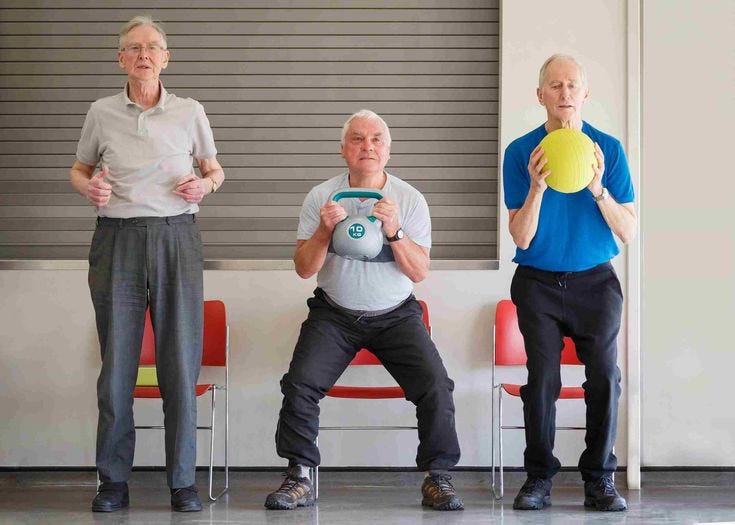
Don’t wait until rehab, start prehab. A team approach, including strength training and nutrition, will stack the odds in your favor.
🔗 https://www.ncbi.nlm.nih.gov/pubmed/40827144
3. Fitness Apps: Social Features and Support Drive Motivation
A new study in PubMed found that fitness app users stick with their routines longer when they receive information and emotional support—and when they compare themselves to higher-performing peers (upward comparison). These social features boost social presence and ongoing fitness interest, leading to stronger motivation and commitment. However, comparing yourself to less active users (downward comparison) backfires, reducing motivation.
The right social support and peer inspiration make fitness routines more engaging and sustainable—online communities matter.

Use technology wisely. Surround yourself with positive examples and support—avoid negative or demotivating comparisons to stay consistent.
I would love to see a piece diving into how to figure out one's best mix of HIIT, cardio, resistance, mobility etc. I'm 62 and I go to an F45 gym three times a week. I do two resistance sessions and one cardio session. I used to do straight up resistance training and the F45 resistance feels very different. It's still HIIT but it feels more like cardio than resistance to me compared to my old gym. I'm committed and having no problem maintaining the routine but there's always something nagging at the back of my mind that I'm not making the best use of my time or money..