
Aging Strong: Training That Boosts Function, Tracks Progress, and Lowers Your Cardiac Risk
Smart exercise strategies to maintain strength, monitor improvements, and protect heart health.

1. Resistance Training with Bands. Women See Extra Gains
A new study in PubMed showed that older adults with type 2 diabetes and frailty improved physical function, blood sugar, and frailty scores after 16 weeks of elastic band training plus diabetes education—and women outperformed men in physical gains.
Simple home-based resistance bands can significantly boost recovery and resilience in older adults, especially for women at higher risk of frailty.

Resistance training isn’t just safe for older adults with diabetes and frailty—it’s essential. For women, the benefits may be even greater. Start with bands, stay consistent.
🔗 https://www.ncbi.nlm.nih.gov/pubmed/41747963
2. MR Spectroscopy: The New Frontier for Tracking Exercise Benefits
A scoping review in PubMed supports magnetic resonance spectroscopy (MRS) as a promising, non-invasive way to monitor how exercise changes metabolism in brain and muscle for older adults. However, research is still catching up—larger studies and more standardized approaches are needed.
MRS could soon help us personalize exercise plans and see real-time benefits to brain and muscle health—but don’t wait for perfect tests to start moving.

Science is catching up to what we observe in clinic exercise protects brain and muscle. Tools like MRS may help us track your progress, but the consistent act of training now is what changes your trajectory.
🔗 https://www.ncbi.nlm.nih.gov/pubmed/41748042
3. Exercise Blood Pressure—Better Than Resting BP for Heart Risk?
A review in PubMed found that blood pressure responses during submaximal exercise predict heart risk better than resting BP. Fitter individuals usually have lower exercise BP. Exercise interventions consistently improve exercise BP—even when resting numbers don’t budge.
Don’t just focus on your clinic BP—the numbers during activity reveal more about your real-world heart health and risks.
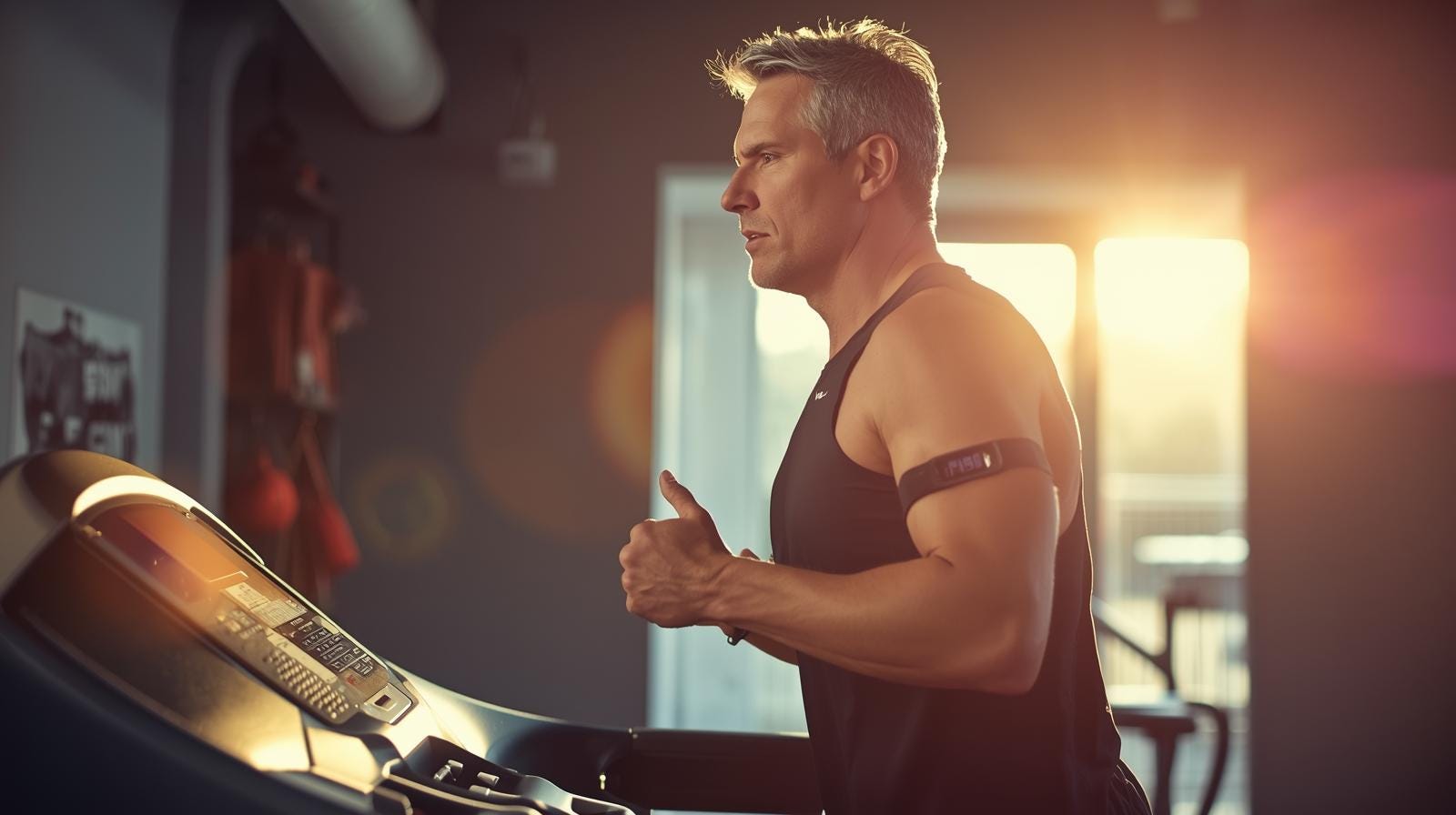
Train your body, and your blood vessels adapt. If your exercise BP remains high, it’s a call to add more fitness, not just more medication.