
Better Brain, Lower Blood Pressure, and the Biomarker That Predicts Your Healthspan
If you want to predict aging well, start with this brain–heart connection.

1. Lifting Weights for a Sharper Mind in Vascular Aging
A new study in PubMed showed that 12 months of progressive resistance training modestly improved cognitive scores in adults with mild subcortical vascular cognitive impairment—especially in women. Training also led to lower inflammation (C-reactive protein).
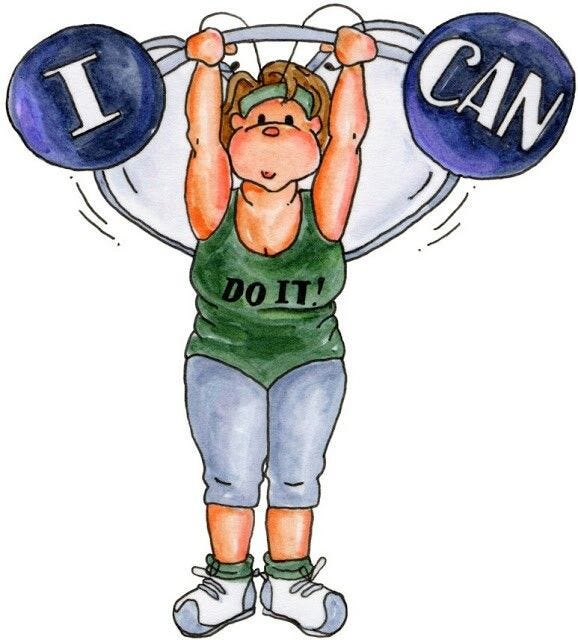
Resistance training isn’t just for muscles; it may support memory and thinking as we age, particularly if you’re at risk for vascular dementia.
Don’t underestimate strength work—for women, in particular, it’s an essential brain-protective tool as we age.
🔗 https://www.ncbi.nlm.nih.gov/pubmed/41795685
2. More Frequent Workouts, Better Blood Pressure for Older Adults
A new randomized trial in PubMed showed that, for hypertensive adults, working out four times weekly (versus two) led to larger drops in both systolic and diastolic blood pressure, and improved cardiorespiratory fitness—if adherence was high.
Distributing your weekly exercise into more frequent sessions could unlock greater heart and fitness benefits, but consistency is key.
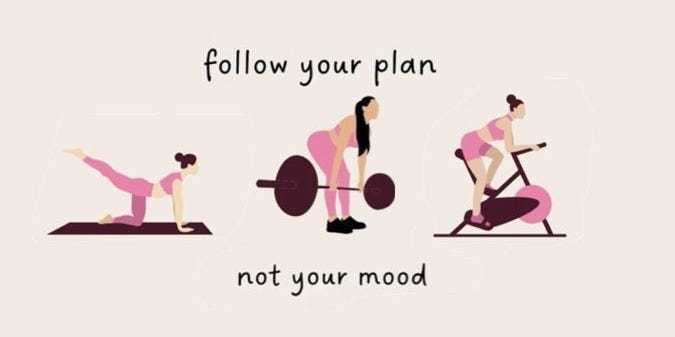
For blood pressure and aerobic health, aim to move often and stick to your plan—frequency plus adherence pay off.
🔗 https://www.ncbi.nlm.nih.gov/pubmed/41792948
3. The Best Biomarkers to Predict Aging—An Epigenetic Standout
A new analysis in PubMed compared 14 consensus biomarkers of aging, finding that an epigenetic “pace of aging” clock (DunedinPACE) was the strongest and most consistent predictor of all-cause mortality—even more than grip strength, inflammation, or gait speed.
Lab-based biomarkers are evolving, but muscle strength and balance still matter. The most promising longevity metrics may soon come from your DNA’s epigenetic profile.
While you can’t order a DunedinPACE clock just yet, maintaining grip strength and balance is still linked to better survival. Keep training for strength and stability.