
Strong Brain, Strong Body: Smart Training & Habits to Age Boldly
The daily habits that keep your muscles strong and your brain sharp with age.

1. Strength Without Lifting? Motor Imagery Boosts Muscle in Older Adults
A new study in PubMed showed that both conventional strength training and motor imagery training (mentally rehearsing the movement, no weights involved) significantly increased strength and improved movement coordination in older adults compared to controls. Notably, strength gains were closely tied to learning better muscle coordination—not just muscle size or brute force.
Even if an injury sidelines you—or weights aren’t accessible—you can strengthen your mind-muscle connection and preserve function through focused imagery. This is an accessible, low-impact strategy for aging joints.
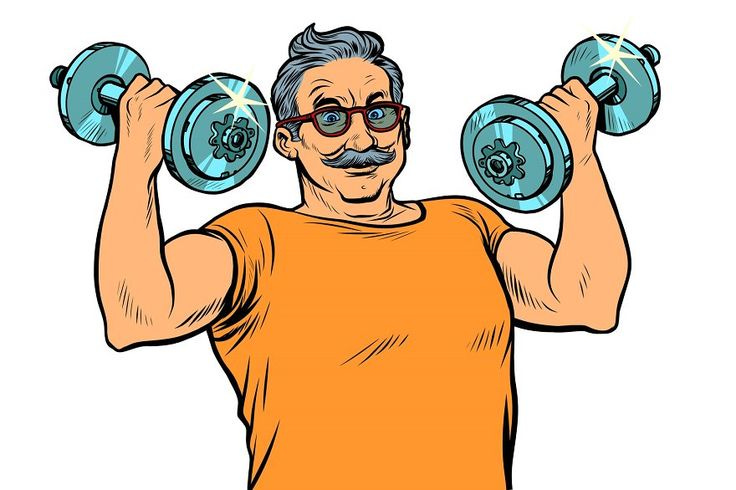
Never underestimate the brain’s power in strength training. Mental practice truly moves the needle for older adults.
🔗 https://www.ncbi.nlm.nih.gov/pubmed/42088684
2. Diet Diversity & Daily Movement: Your Double Defense Against Cognitive Decline
A new prospective cohort study in PubMed found that maintaining a varied diet and regular physical activity over a decade was linked to better cognitive function in older adults. Critically, physical inactivity raised the risk of memory problems even if diet was excellent; good nutrition alone couldn’t override the disadvantages of not moving.
Cognitive resilience relies on a two-pronged lifestyle—move your body, eat a rainbow. You can’t “out-nutrition” inactivity.

For a sharper mind as you age, pair smart eating with daily movement. Integration beats focusing on one silver bullet.
🔗 https://www.ncbi.nlm.nih.gov/pubmed/42077961
3. Multicomponent Training for Older Women: Effects on Body and Metabolic Health
A recent study in PubMed evaluated a 12-week multiprofessional training program’s effect on body composition, metabolic markers, and arterial health in Brazilian older women, stratified by nutritional status. (Abstract unavailable—no results to summarize)
Evidence for integrated, team-based health approaches in later life is growing but always check for results before changing your plan.
Ask for clear outcomes before signing up for new programs. Proven benefits matter most.
Reading this article on “ training habits to age gracefully “ got me thinking about how a lot of men as they reach 80 ( I’m not far behind) start that shuffle not quite upright walk. A few years later they start to lean forward looking for the next handhold to grab. I work daily on strength, stretch and balance but so do a lot of the guys I’m talking about, just feel I’m missing something.